The autumn bird count was carried out at the end of October in the Azov Reserve - in the fields, on the seashore and estuaries. Experts counted more than eight thousand individuals of 57 species of birds. This was announced on its website by the Caucasian Reserve, which manages the reserve.
"The most numerous birds were common starlings, which accounted for more than 5,000 individuals. It was possible to observe the effect of murmuration, when the flock behaves like a single organism. Rooks, mallards, lake gulls, coots, and large cormorants numbered in the hundreds. In one flock of snipe, 80 individuals were counted at once, which is rare for this bird species. Of the waders, lapwings, black-throats, tules, large curlews and shiloklyuvki are also noted. The last two bird species are listed in the Red Book of Russia," the report says.
Of the other red-book species, specialists met the white-eyed diver, the black-headed cormorant, the black-headed giggler, the curly pelican and the osprey. The latter refers to fish-eating predators and appears in the Azov Reserve only once, only on migration.
Of the forest species, flying blackbirds and songbirds, red-tailed blackbirds, warblers, finches, great tits, lapis lazuli were recorded.
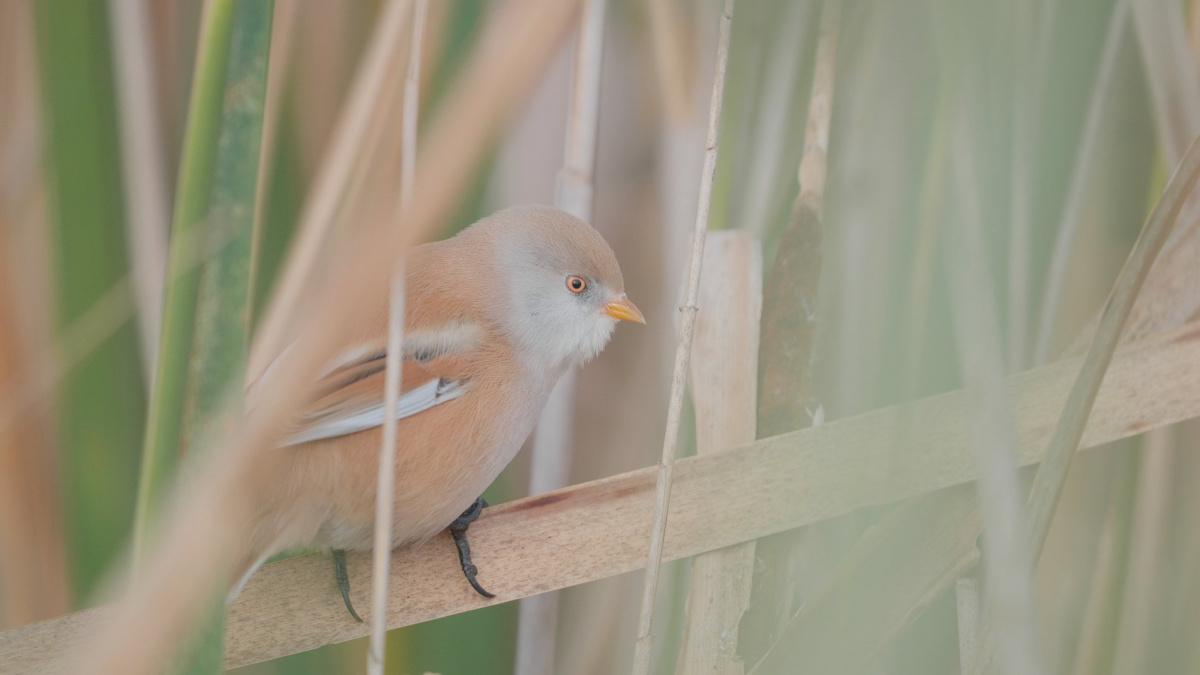
"Insectivorous broad-tailed nightingales occasionally sang in the reeds, which manage to winter in the reserve in small numbers. There were meadow skates in the fields and other open spaces, which can also winter in the reserve," the reserve noted.
On August 9-10, the gastronomic festival "Nyan Fest" will be held for the first time in Yamal. Chefs and culinary experts will showcase their skills in preparing dishes of the indigenous northern peoples
The press service of the Ministry of Culture of Astrakhan Region has announced that the International Classical Arts Festival "Caspian Seasons" will be held in Astrakhan from August 17 to September 1
The press service of the Russian Union of Travel Industry has announced that the national tourism portal Puteshestvuem.RF has published the first 50 car travel routes across 47 regions of Russia
The press service of the government of the Kabardino-Balkaria Republic has announced that a group of enthusiasts from St. Petersburg has installed the world's first climb counter at the summit of Elbrus

 Blogs
Blogs